 大历史在线
大历史在线

7 Million Years: The Origin And Evolutionary History Of Humankind
Author:卜可Published:September 27, 2025Updated:February 4, 2026
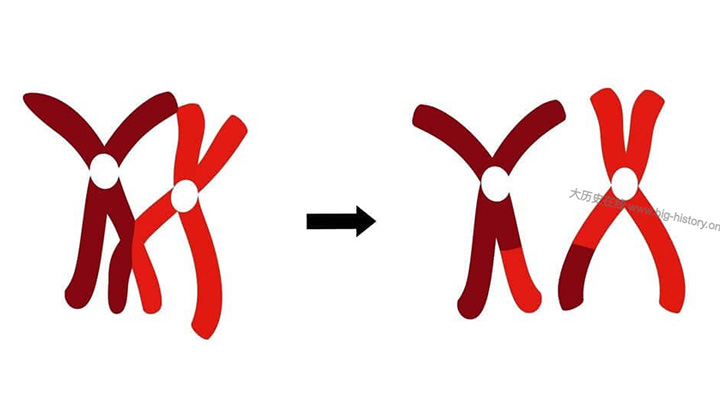 Recent common ancestor based on chromosomes 1-22February 26, 2026Interpreting the recent common ancestor of human autosomes 1-22 from a genomic perspective, explaining DNA recombination, mutation and ancestral fragment inheritance, and popularizing the common ancestor time in the sense of human genetics.
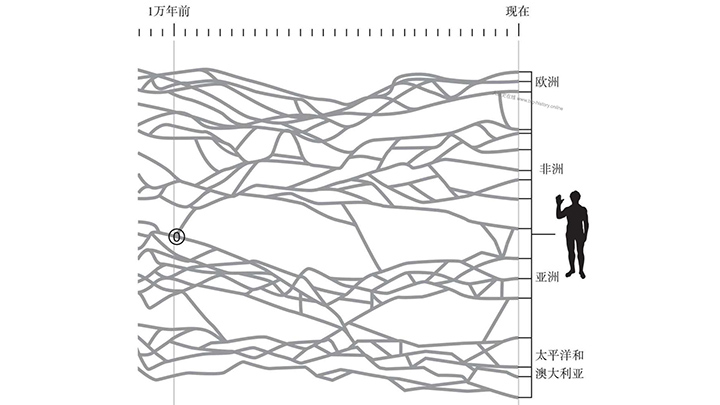 The MRCA of modern humansFebruary 27, 2026What is the most recent common ancestor (MRCA) of modern humans? How is it different from Mitochondrial Eve and Y-chromosome Adam? This article uses popular logic to explain the mystery of the common ancestor of all mankind.
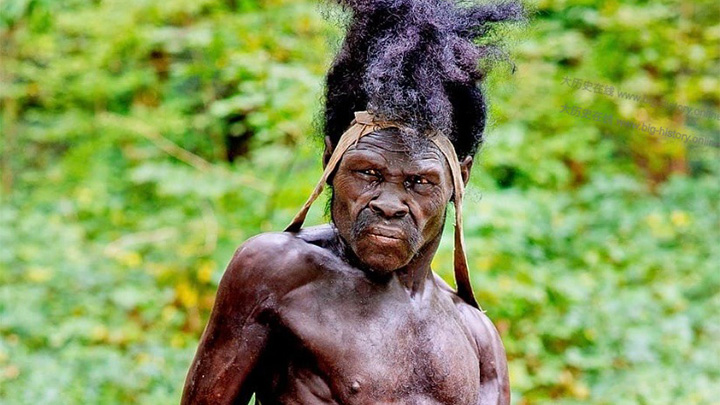 Modern man in the sense of anatomyFebruary 26, 2026What is modern man in the sense of anatomy? This paper systematically introduces the origin and characteristics of late Homo sapiens from the definition, key fossils (Jebel Iro, Omo, Herto), age and evolutionary diffusion.
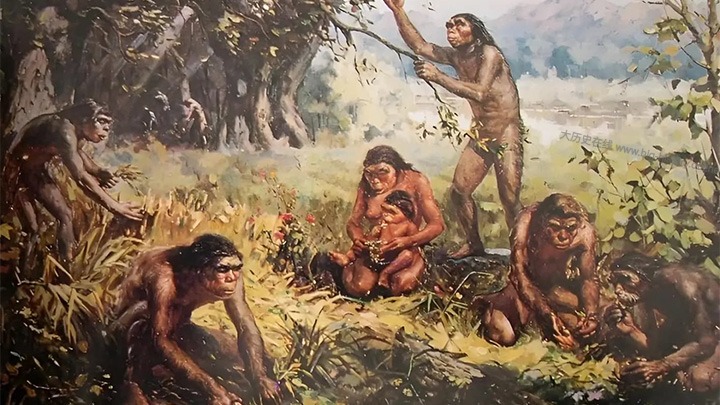 The first human out of AfricaFebruary 26, 2026The ancient fossils unearthed from various places can prove that the expansion of the genus of Man began as early as 2 million years ago. At the latest, 1.8 million years ago, the first time that the man's subordinate, the erectus, came out of Africa. It can be said that this is one of the largest geological and historical events in the history of the earth.
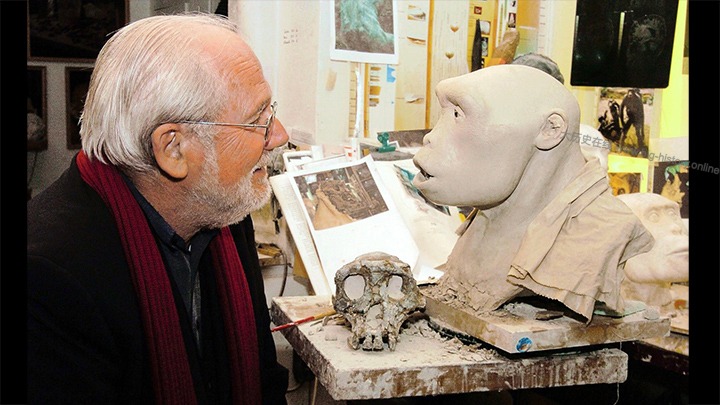 Chadian ShahFebruary 26, 2026The Chadian Shah (Tumai), the earliest known hominid species, lived in Africa 7 million years ago. This article describes its discovery, the characteristics of the skull, the evidence of upright walking, and how it rewrites the history of human evolution.
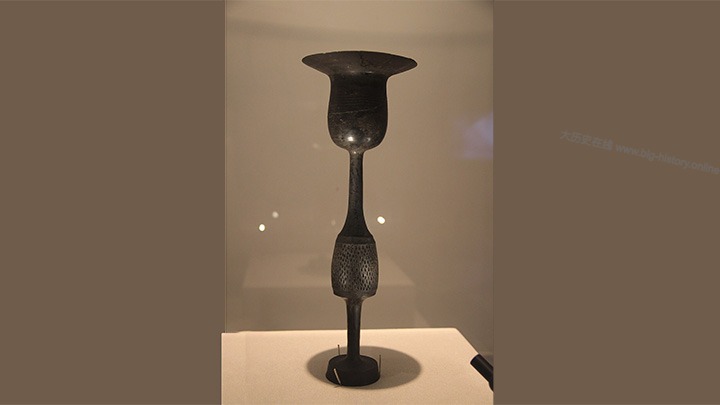 Longshan CultureJune 5, 2026The Longshan Culture is one of the most important archaeological cultures of the Late Neolithic period in China, dating from approximately 4,500 to 4,000 years ago. This article systematically examines the origins and geographical distribution of the Longshan Culture, its black‑ware pottery techniques, social stratification, the emergence of proto‑writing, prehistoric urban sites, and its relationship with the Erlitou Culture of the Xia Dynasty, thereby illuminating a crucial phase in the formation of Chinese civilization.
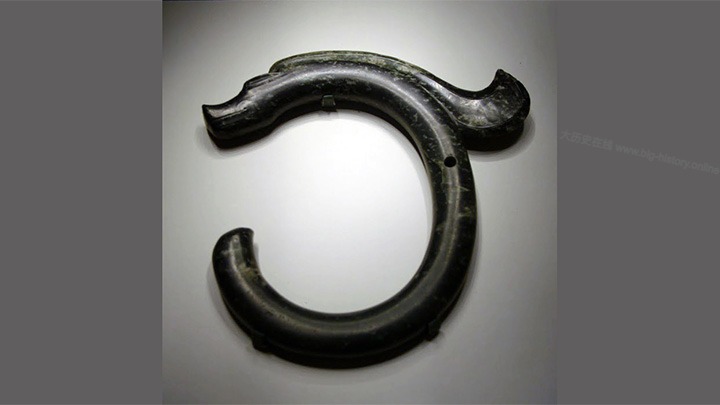 Hongshan CultureJune 2, 2026Hongshan Culture is one of the most important late Neolithic archaeological cultures in northern China, renowned for the Niuheliang site, the Goddess Temple, the cairn tombs, and its exquisite jade artifacts. This article provides a systematic overview of the Hongshan Culture, covering its chronological framework, geographical distribution, agricultural practices, jade-crafting traditions, and its pivotal significance for research on the origins of Chinese civilization.
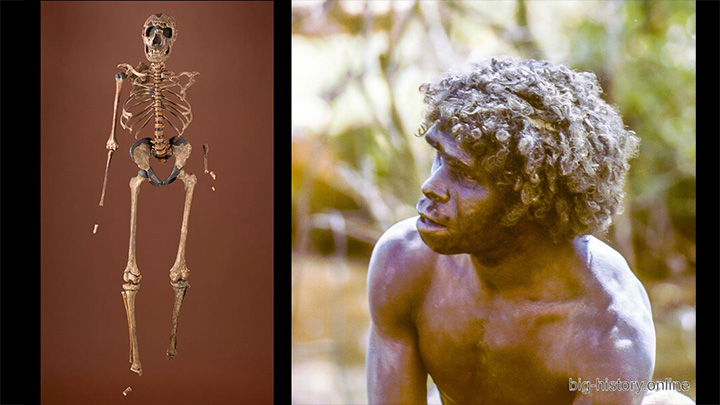 Homo erectusMarch 12, 2026Homo erectus, which existed about 1.8 million to 200000 years ago, is a critical and successful species in the history of human evolution. Their body proportions are close to those of modern people. They can systematically use fire and make complex tools. They not only created the Acheri culture, but also made human beings walk out of Africa for the first time, which can be called a milestone in the evolution of the human genus.
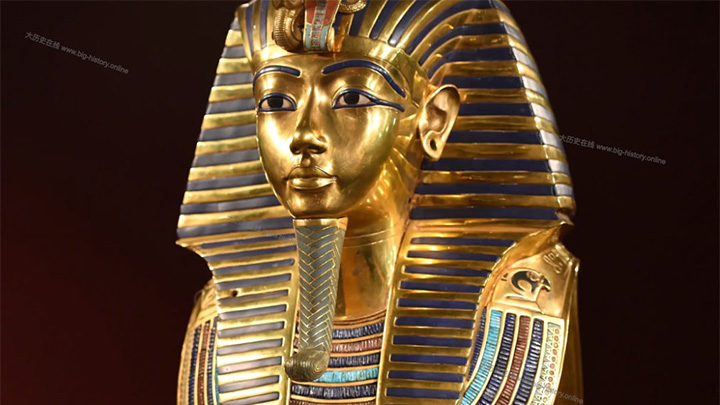 TutankhamunMarch 4, 2026Tutankhamun is the most famous pharaoh in ancient Egypt. It is not because of his achievements, but because of his unstolen KV62 tomb and gold mask that shocked the world and solved many mysteries of the 18th dynasty of ancient Egypt.
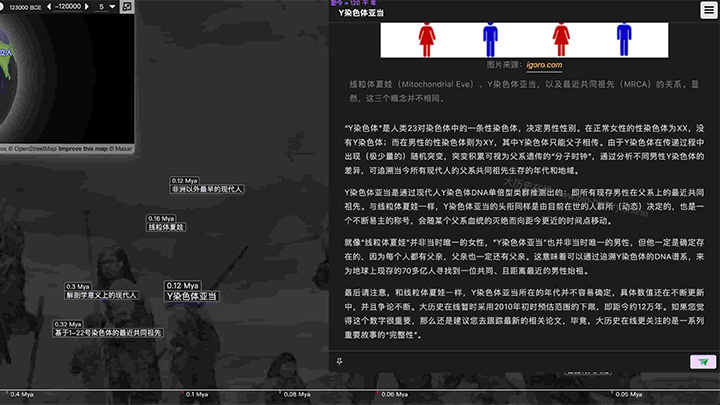 Y chromosome AdamMarch 4, 2026What is Y chromosome Adam? This article explains the paternal inheritance of Y chromosome, molecular clock age, African origin of 120000 year, and the difference between it and mitochondrial Eve.
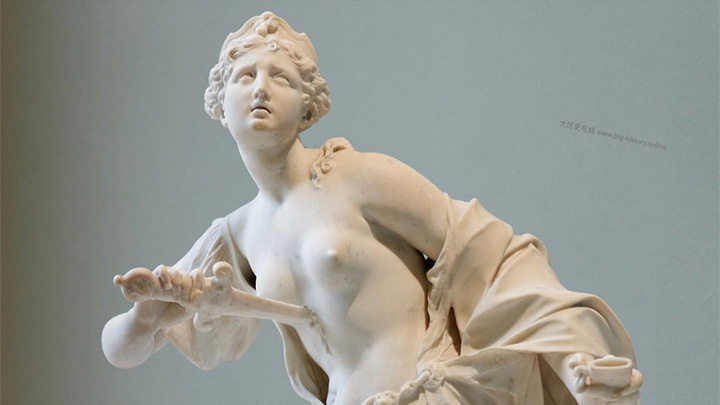 The founding of the city of CarthageMarch 8, 2026In the 9th century BC, the Phoenician princess Dido founded Carthage in North Africa. This paper examines how Carthage evolved from a refuge trading post into the most powerful commercial empire in the Mediterranean, explores the context of the conflict between Punic culture and Greek colonists, and analyzes how Carthage came to be Rome’s destined rival.
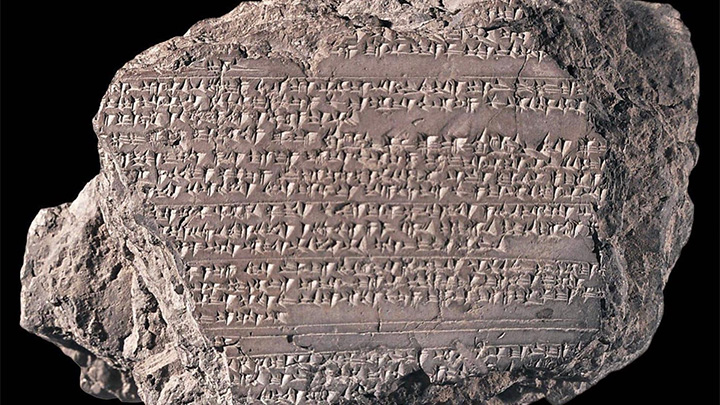 Tielepin edictMarch 5, 2026Infighting within the Hittite royal family was frequent. To address this, Telepinu issued the Telepinu Proclamation, which standardized the succession to the throne and imposed limits on royal authority. Despite its profound historical significance, it failed to put an end to palace assassinations.
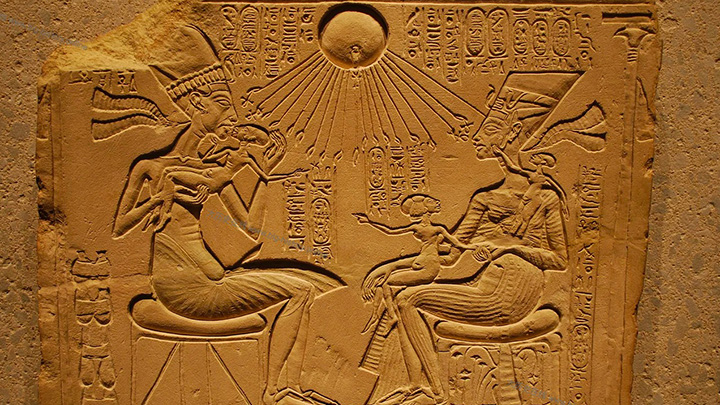 Reformation in EhnaonMarch 4, 2026Ehnatun (Amenhotep IV) was the most controversial pharaoh in ancient Egypt. He carried out the religious reform, abolished the god of Amun, respected the god of Aton, and moved the capital of Ehtarton. Although the reform failed, it left the earliest bud of monotheism and the statue of Queen Naftiti.
- The oldest known human member—Orrorin tugenensisJune 5, 2026Orrorin tugenensis, also known as the “Millennium Man,” lived in Africa 6 million years ago and is one of the earliest known hominins to have walked upright. This paper presents the fossil discoveries, morphological characteristics, and evolutionary significance of this taxon.
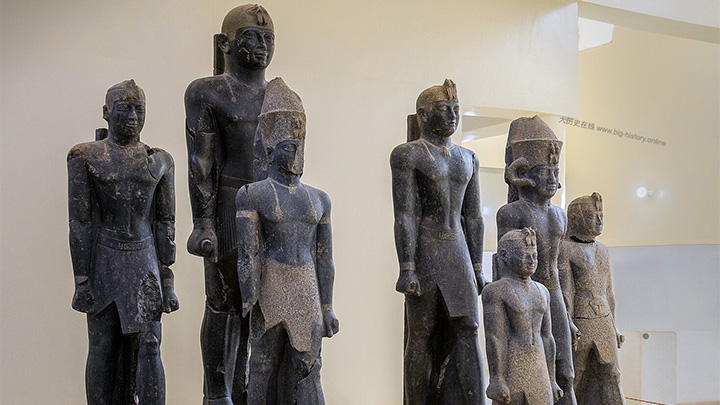 The end of the Egyptian EmpireMarch 4, 2026The end of the Egyptian imperial era began with the murder of Ramses III, the harassment of the sea, the dictatorship of the priests, the prevalence of tomb robberies and the workers' strike, which eventually led to the collapse of the new kingdom and the return of ancient Egypt to its former glory.
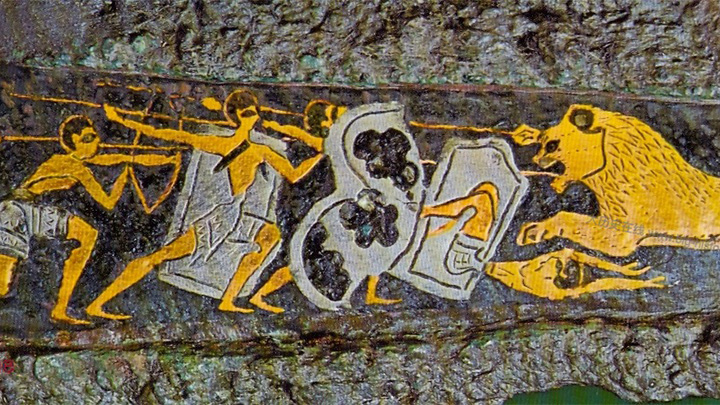 The heyday of Mycenaean civilizationMarch 5, 2026The Mycenaean civilization entered its heyday in the 15th century BC, controlling the Aegean region, building acropolis and palaces, and unearthed a large number of gold relics, which were revealed by Schliman's archaeological discoveries.
Related recommendations
 WeChat Mini Program
 Big History Online